Introduction
If you’ve been searching for better health but feel overwhelmed by diets, supplements, conflicting advice, and quick-fix trends — you’re not alone.
Holistic health offers a different path.
Instead of focusing on isolated symptoms, holistic health looks at the entire person — body, mind, emotions, lifestyle, environment, and even purpose. It asks:
- Why is this happening?
- What systems are connected?
- What habits support long-term balance?
- How can we prevent disease instead of reacting to it?
This beginner guide will explain:
- What holistic health truly means
- How it differs from conventional medicine
- The core pillars of holistic wellness
- The science behind it
- How to start your own holistic lifestyle today
Let’s begin at the foundation.
What Is Holistic Health?
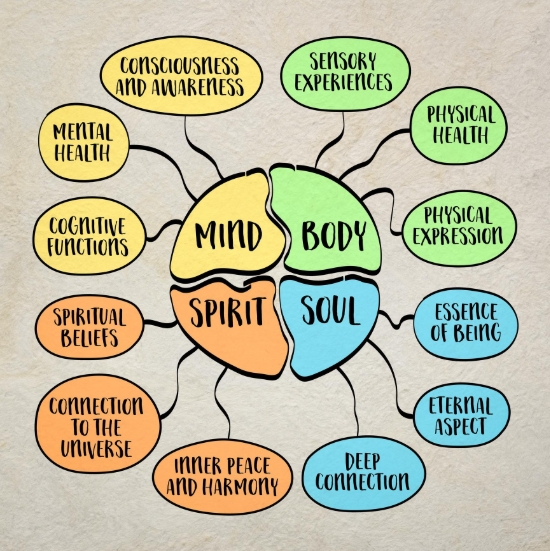
Holistic health is an approach to wellness that considers the whole person, not just individual symptoms.
The word “holistic” comes from the word whole.
It recognizes that:
- Physical health affects mental health
- Mental health affects physical health
- Stress affects digestion
- Sleep affects hormones
- Environment affects immune function
- Nutrition affects mood
Everything is connected.
Holistic health is not anti-science, anti-medicine, or anti-doctor. Instead, it integrates:
- Lifestyle medicine
- Preventive health
- Nutrition science
- Mind-body research
- Stress physiology
- Sleep science
- Environmental awareness
It asks not just “How do we treat this?”
But “Why did this imbalance happen in the first place?”
Holistic Health vs Conventional Medicine
To understand holistic health clearly, we must compare it to the dominant model.
Conventional Model (Reactive)
- Treats symptoms
- Uses medication as primary intervention
- Often specialized (cardiology, dermatology, etc.)
- Excellent for acute care and emergencies
- Less focused on lifestyle causes
Holistic Model (Preventive + Root-Cause)
- Looks for underlying causes
- Emphasizes nutrition and habits
- Integrates stress and emotional health
- Encourages self-responsibility
- Focuses on long-term balance
Conventional medicine is powerful in trauma, surgery, infections, and emergencies.
Holistic health shines in:
- Chronic inflammation
- Stress disorders
- Sleep problems
- Digestive imbalance
- Lifestyle diseases
- Preventive care
The strongest health strategy combines both.
The 5 Core Pillars of Holistic Health
Think of holistic health as a structure supported by five pillars.
1️⃣ Nutrition
Food is information.
What you eat influences:
- Inflammation
- Hormones
- Blood sugar
- Energy levels
- Gut bacteria
- Brain chemistry
Whole foods — vegetables, fruits, lean proteins, healthy fats — provide the body with what it needs to regulate itself.
Highly processed foods increase inflammation and metabolic stress.
A holistic approach to nutrition emphasizes:
- Whole foods
- Anti-inflammatory choices
- Balanced blood sugar
- Gut health
- Hydration
2️⃣ Sleep & Recovery
Sleep is not passive — it is when the body repairs itself.
During sleep:
- The brain detoxifies
- Hormones reset
- Immune function strengthens
- Memory consolidates
- Muscles repair
Chronic sleep deprivation increases risk for:
- Obesity
- Heart disease
- Diabetes
- Anxiety
- Depression
Holistic health treats sleep as foundational — not optional.
3️⃣ Stress & Emotional Health
Stress affects every system in the body.
Chronic stress increases cortisol, which can lead to:
- Fat accumulation
- Hormonal imbalance
- Poor digestion
- Brain fog
- Inflammation
Mind-body research shows that chronic emotional strain can contribute to physical illness.
Holistic health integrates:
- Mindfulness
- Breathwork
- Journaling
- Nature exposure
- Emotional awareness
Mental health is physical health.
4️⃣ Movement & Physical Activity
Movement regulates:
- Blood sugar
- Mood
- Circulation
- Lymphatic drainage
- Hormones
You do not need extreme workouts.
Walking daily can dramatically reduce disease risk.
Holistic movement focuses on:
- Consistency over intensity
- Mobility and flexibility
- Strength and longevity
- Enjoyable physical activity
5️⃣ Environment & Lifestyle
Your surroundings affect your biology.
Consider:
- Air quality
- Water quality
- Light exposure
- Toxins in cleaning products
- Digital overload
Holistic health encourages awareness of your daily inputs — not just food.
The Science Behind Holistic Health
Holistic health is supported by multiple scientific fields:
Psychoneuroimmunology
Studies how thoughts and emotions affect immune function.
Chronobiology
Explores circadian rhythms and sleep-wake cycles.
Nutritional Biochemistry
Examines how nutrients influence cellular processes.
Lifestyle Medicine
Focuses on preventing disease through behavior change.
Gut-Brain Axis Research
Shows that gut bacteria influence mood and cognition.
Institutions like the Institute for Functional Medicine promote root-cause approaches grounded in research.
Holistic health is not mystical — it is integrative.
Common Misconceptions About Holistic Health
❌ “Holistic means alternative.”
Not necessarily. It means comprehensive.
❌ “It rejects modern medicine.”
It complements it.
❌ “It’s just supplements and herbs.”
Supplements are minor compared to lifestyle foundations.
❌ “It’s unscientific.”
Modern research increasingly supports mind-body integration.
Signs You May Benefit From a Holistic Approach
- Chronic fatigue
- Recurring digestive issues
- Persistent stress
- Poor sleep
- Brain fog
- Frequent illness
- Inflammation
- Mood swings
Often these are not isolated problems — they are system imbalances.
How to Start Holistic Health as a Beginner
You don’t need a massive overhaul.
Start with simple steps:
Step 1: Improve One Meal Per Day
Swap processed foods for whole foods once daily.
Step 2: Prioritize Sleep
Aim for 7–9 hours.
Reduce blue light at night.
Keep consistent bedtimes.
Step 3: Walk Daily
20–30 minutes is powerful medicine.
Step 4: Reduce Chronic Stress
Try:
- Deep breathing
- 10 minutes of silence
- Time in nature
- Digital detox evenings
Step 5: Stay Hydrated
Water supports detoxification and cellular health.
Small consistent improvements compound.
Holistic Health Is Preventive Health
Many chronic diseases are lifestyle-related.
Holistic health focuses on preventing:
- Type 2 diabetes
- Heart disease
- Obesity
- Anxiety disorders
- Sleep disorders
Prevention is less expensive than treatment — physically and financially.
The Long-Term Vision of Holistic Living
When practiced consistently, holistic living leads to:
- Stable energy
- Clear thinking
- Strong immunity
- Better sleep
- Balanced emotions
- Reduced inflammation
- Sustainable weight management
It is not about perfection.
It is about awareness and consistency.
Recommended Educational Resources
Books
- How Not to Die
- Why We Sleep
- The Body Keeps the Score
YouTube Channels
- Dr. Rhonda Patrick
- Institute for Functional Medicine
- Thomas DeLauer
Final Thoughts
Holistic health is not a trend.
It is a return to understanding that:
- The body is interconnected
- Prevention is powerful
- Lifestyle is medicine
- Stress is biological
- Sleep is foundational
- Nutrition is information
- Environment matters
You do not need extreme changes.
You need consistent, intelligent habits.
Start small.
Stay steady.
Think whole.
Live whole.