
Introduction
Most people think of the brain as the center of emotional health.
But scientists have discovered something surprising.
Your gut plays a major role in how you feel emotionally.
The digestive system and the brain communicate constantly through a network called the gut–brain axis. This connection means that what happens in your digestive system can influence mood, stress, anxiety, and even cognitive function.
In recent years, research has revealed that the gut contains trillions of microorganisms that help regulate many bodily functions, including mental health.
Holistic health recognizes that mental well-being is influenced by multiple systems in the body — and digestive health is one of the most important.
Understanding the gut–brain connection can help you support both your digestive system and emotional balance naturally.
What Is the Gut–Brain Connection?


4
The gut–brain connection refers to the two-way communication system between the digestive tract and the brain.
This system involves:
- The nervous system
- Hormones
- The immune system
- The gut microbiome
The primary communication pathway is the vagus nerve, which connects the brainstem to the digestive organs.
Signals constantly travel between the gut and the brain.
This is why emotional stress can cause stomach discomfort, and digestive problems can influence mood.
The National Institute of Mental Health recognizes that biological systems such as digestion, hormones, and immune activity influence emotional health.
The brain and gut are deeply connected systems.
The Role of the Gut Microbiome


4
Inside your digestive tract live trillions of microorganisms known as the gut microbiome.
These bacteria help with:
- Digesting food
- Producing vitamins
- Supporting immune function
- Regulating inflammation
They also influence the brain.
Research suggests that gut bacteria help produce important neurotransmitters such as serotonin.
Serotonin is often called the “feel-good” chemical.
Approximately 90% of serotonin is produced in the digestive system.
Scientists studying the microbiome have discovered that imbalances in gut bacteria may be associated with anxiety, depression, and mood disorders.
The Harvard Medical School has published research describing the microbiome as a key factor in overall health.
A balanced gut environment supports mental and emotional stability.
How Stress Affects Digestion


4
Stress does not only affect the mind.
It affects digestion as well.
When the body enters the fight-or-flight response, the nervous system prioritizes survival rather than digestion.
This can lead to:
- Reduced stomach acid production
- Slower digestion
- Changes in gut bacteria
- Increased inflammation
Chronic stress may contribute to digestive conditions such as irritable bowel syndrome (IBS).
The Centers for Disease Control and Prevention notes that long-term stress can impact multiple systems of the body, including digestion.
Managing stress is essential for maintaining gut health.
Signs of an Unhealthy Gut
Digestive imbalance can show up in many ways.
Common symptoms include:
- Bloating
- Gas
- Irregular bowel movements
- Fatigue
- Brain fog
- Skin problems
- Mood fluctuations
Because the gut influences inflammation and neurotransmitters, digestive imbalance may also affect emotional well-being.
Addressing gut health can often improve both physical and mental symptoms.
Foods That Support Gut Health


4
Nutrition is one of the most powerful tools for supporting the microbiome.
Foods that support gut health include:
Probiotic Foods
These contain beneficial bacteria.
Examples:
- Yogurt
- Kefir
- Kimchi
- Sauerkraut
- Kombucha
Prebiotic Foods
These feed beneficial bacteria.
Examples:
- Garlic
- Onions
- Bananas
- Oats
- Asparagus
Fiber-Rich Foods
Fiber supports digestion and microbiome diversity.
Examples:
- Whole grains
- Vegetables
- Beans
- Fruits
Whole-food nutrition promotes a balanced gut ecosystem.
Foods That May Harm Gut Health
Certain foods may disrupt the microbiome when consumed excessively.
Examples include:
- Highly processed foods
- Excess sugar
- Artificial sweeteners
- Excess alcohol
These foods can alter gut bacteria balance and increase inflammation.
Moderation and balanced nutrition are key to maintaining digestive health.
The Role of Probiotics and Supplements
Some individuals benefit from probiotic supplements that introduce beneficial bacteria to the digestive system.
However, probiotics are not a cure-all.
Healthy gut function depends on multiple factors, including:
- Diet
- Stress management
- Sleep quality
- Physical activity
Consulting a healthcare professional is recommended before starting supplements.
Whole-food nutrition should remain the foundation.
Lifestyle Habits That Improve Gut Health


4
Gut health is influenced by daily habits.
Helpful lifestyle practices include:
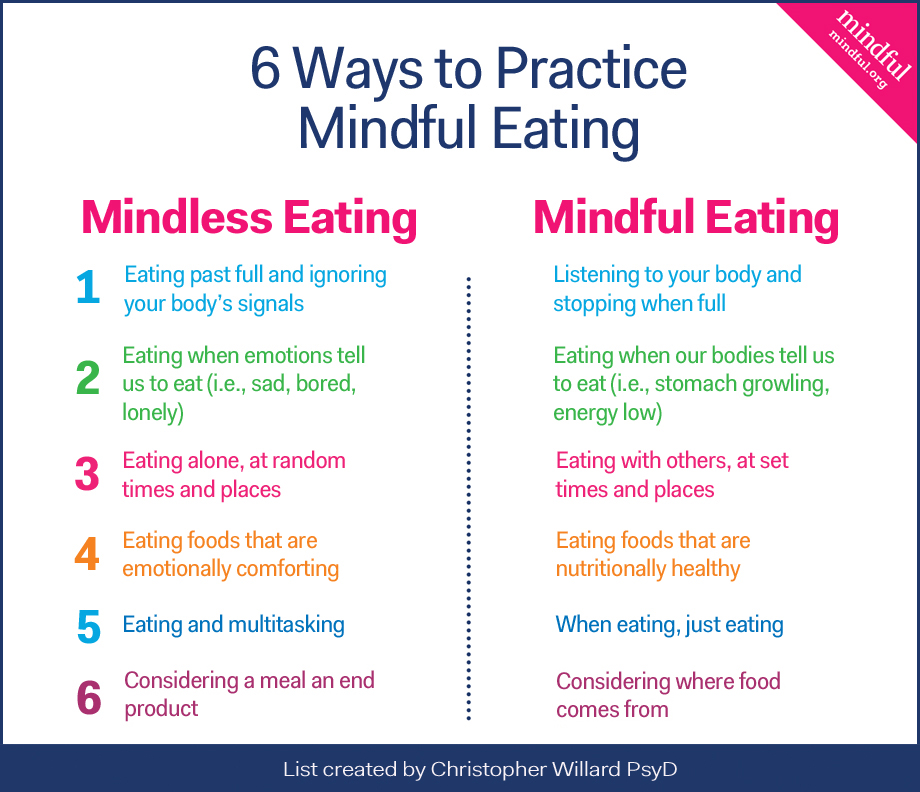
Mindful Eating
Eating slowly improves digestion and nutrient absorption.
Physical Activity
Exercise stimulates digestive movement.
Hydration
Adequate water supports digestive processes.
Stress Management
Meditation and breathwork reduce digestive stress.
Holistic health considers lifestyle as an integrated system.
The Gut–Brain Axis and Mental Health
Researchers continue to explore how gut bacteria influence brain function.
Studies suggest the microbiome may influence:
- Mood regulation
- Anxiety levels
- Cognitive function
- Stress resilience
The emerging field of nutritional psychiatry examines how diet and microbiome health influence mental health.
Supporting gut health may improve emotional well-being as well as physical health.
Practical Daily Habits for Gut Health
Simple daily habits can support a healthy digestive system.
Examples include:
- Eating more whole foods
- Including fermented foods in meals
- Managing stress through breathing or meditation
- Drinking enough water
- Getting regular physical activity
Small consistent habits can lead to meaningful improvements over time.
Final Thoughts
The connection between digestion and mental health is one of the most exciting discoveries in modern health science.
The gut and brain communicate constantly through the gut–brain axis, influencing mood, energy, and overall well-being.
By supporting digestive health through balanced nutrition, stress management, and healthy lifestyle habits, you can improve both physical and emotional health.
Holistic living recognizes that every system in the body is connected.
Taking care of your gut is also taking care of your mind.
References
- Harvard Medical School – Gut Microbiome Research
- National Institute of Mental Health – Mental Health and Biological Systems
- Centers for Disease Control and Prevention – Stress and Health
YouTube Resources:
- “The Gut Microbiome Explained” – Kurzgesagt
- “How Gut Bacteria Affect the Brain” – TED-Ed
- “The Gut–Brain Connection” – Huberman Lab Podcast