Introduction
Stress and anxiety have become common experiences in modern life.
Deadlines, financial pressure, constant digital notifications, and social expectations can keep the mind in a near-constant state of tension. While medication can be helpful for severe conditions, many people can significantly reduce stress and anxiety using natural lifestyle strategies.
Holistic health focuses on supporting the body’s natural ability to regulate stress through balanced habits, mental awareness, and nervous system regulation.
Research shows that lifestyle changes such as exercise, meditation, healthy sleep, and social connection can significantly reduce stress hormones and improve emotional resilience.
In this article, we explore 10 natural ways to reduce stress and anxiety without medication, supported by scientific insights and holistic health principles.
1. Practice Deep Breathing


4
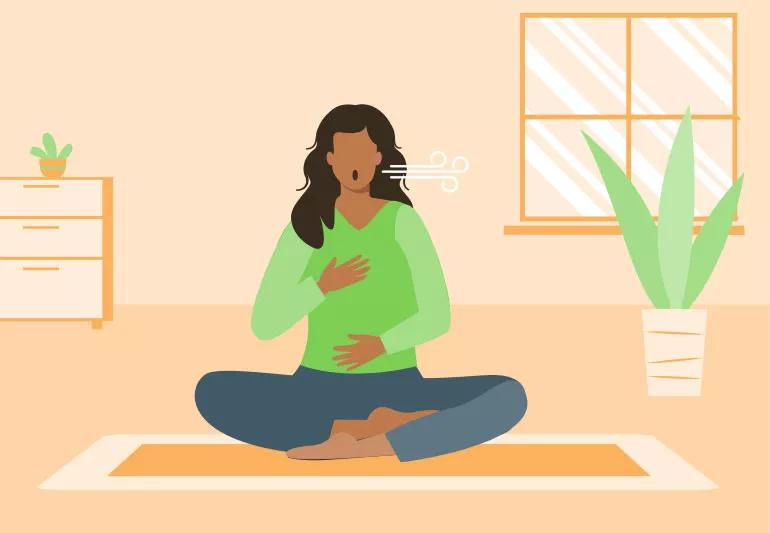
Breathing is one of the fastest ways to calm the nervous system.
When people feel anxious, breathing often becomes shallow and rapid. This signals danger to the brain and activates the fight-or-flight response.
Slow breathing activates the parasympathetic nervous system, which promotes relaxation.
A simple technique is box breathing:
- Inhale for 4 seconds
- Hold for 4 seconds
- Exhale for 4 seconds
- Hold for 4 seconds
Repeat for five minutes.
Research supported by the National Institute of Mental Health shows that breath regulation can significantly reduce anxiety symptoms.
2. Exercise Regularly



4
Exercise is one of the most powerful natural stress relievers.
Physical activity helps regulate the nervous system and releases mood-enhancing chemicals such as endorphins and serotonin.
Benefits include:
- Reduced anxiety
- Improved sleep
- Increased emotional resilience
- Lower cortisol levels
According to the Centers for Disease Control and Prevention, regular physical activity improves both mental and physical health.
You do not need intense workouts. Even 20–30 minutes of walking daily can significantly reduce stress.
3. Practice Meditation and Mindfulness

4
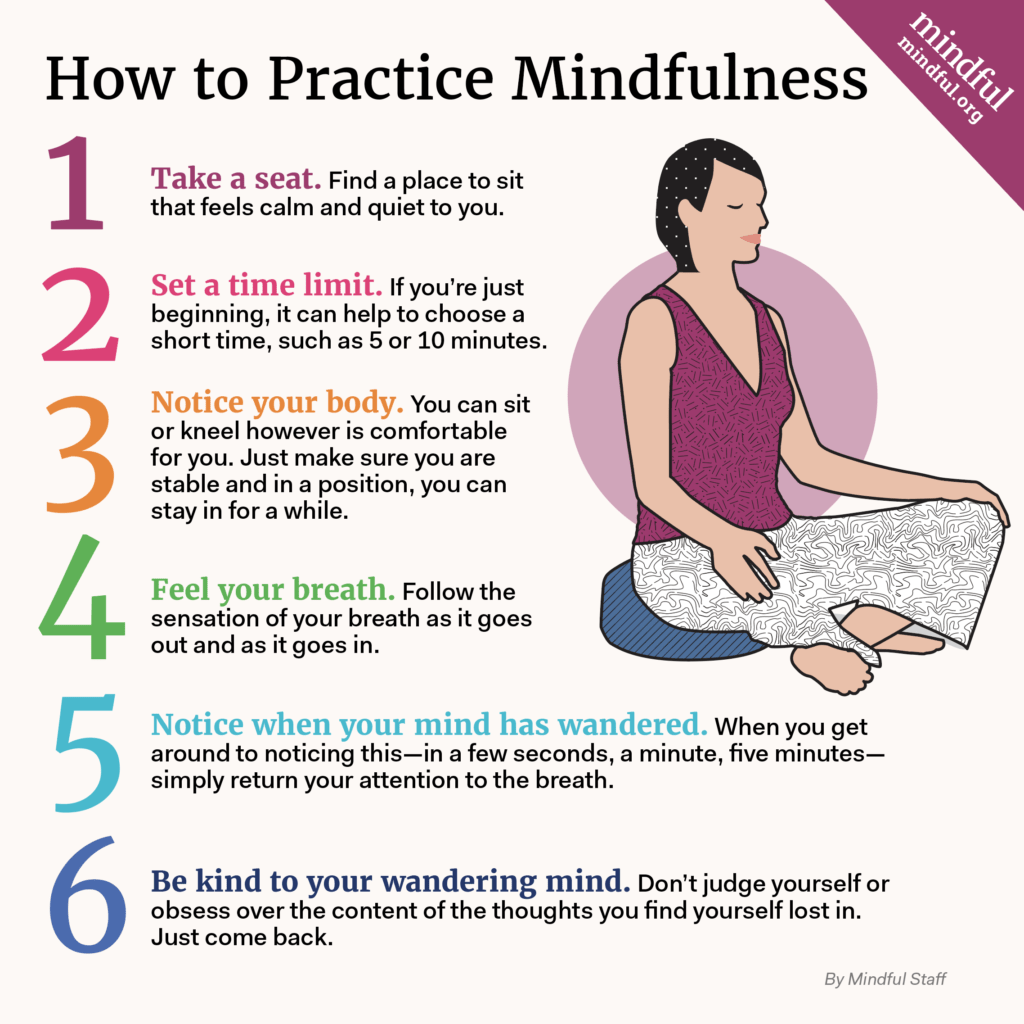
Meditation trains the mind to observe thoughts without reacting to them.
Many anxiety patterns arise from repetitive negative thinking and worrying about the future.
Mindfulness meditation helps break this cycle.
Research from Harvard Medical School shows meditation can reduce activity in the brain’s stress center (the amygdala) while strengthening areas responsible for emotional regulation.
Even 5–10 minutes per day can provide noticeable benefits.
4. Improve Sleep Quality



4
Sleep and anxiety are closely connected.
Poor sleep increases stress hormones and makes the brain more reactive to emotional triggers.
Quality sleep helps regulate:
- Cortisol
- Emotional stability
- Brain recovery
- Immune health
The National Sleep Foundation recommends adults get 7–9 hours of sleep each night.
Improving sleep hygiene can significantly reduce anxiety symptoms.
Helpful habits include:
- Consistent bedtime
- Limiting screens before sleep
- Creating a calm nighttime routine
5. Spend Time in Nature



4
Spending time outdoors reduces stress and improves mental clarity.
Nature exposure lowers cortisol levels and promotes relaxation.
A Japanese practice called forest bathing encourages slow, mindful walks in nature.
Studies suggest that time in nature can:
- Lower blood pressure
- Reduce stress hormones
- Improve mood
- Increase creativity
Even short walks in parks or natural environments can make a meaningful difference.
6. Reduce Stimulants Like Caffeine


4
Caffeine stimulates the nervous system.
For individuals prone to anxiety, excessive caffeine can worsen symptoms such as:
- Racing thoughts
- Increased heart rate
- Restlessness
- Difficulty sleeping
Reducing caffeine intake and switching to herbal teas such as chamomile or peppermint can help calm the body.
Moderation is key.
7. Eat a Balanced Diet


4
Nutrition plays a powerful role in mental health.
Certain nutrients support brain chemistry and stress resilience.
Foods that help reduce anxiety include:
- Omega-3 fatty acids (salmon, walnuts)
- Leafy greens
- Whole grains
- Fermented foods
- Magnesium-rich foods
Poor nutrition can worsen stress by causing blood sugar fluctuations and nutrient deficiencies.
Eating whole, nutrient-dense foods supports emotional balance.
8. Limit Social Media and News Exposure


4
Constant exposure to news and social media can increase anxiety.
Many platforms are designed to capture attention using emotionally intense content.
Limiting screen time helps reduce mental overstimulation.
Helpful practices include:
- Setting daily screen limits
- Taking social media breaks
- Avoiding news before bed
Reducing digital overload allows the mind to rest.
9. Connect With Supportive People



4
Humans are social beings.
Positive relationships reduce stress and provide emotional support during difficult times.
Studies from Harvard University have shown that strong social connections are one of the most important predictors of long-term happiness and health.
Spending time with supportive friends or family members can significantly improve emotional well-being.
10. Practice Gratitude and Positive Reflection

4
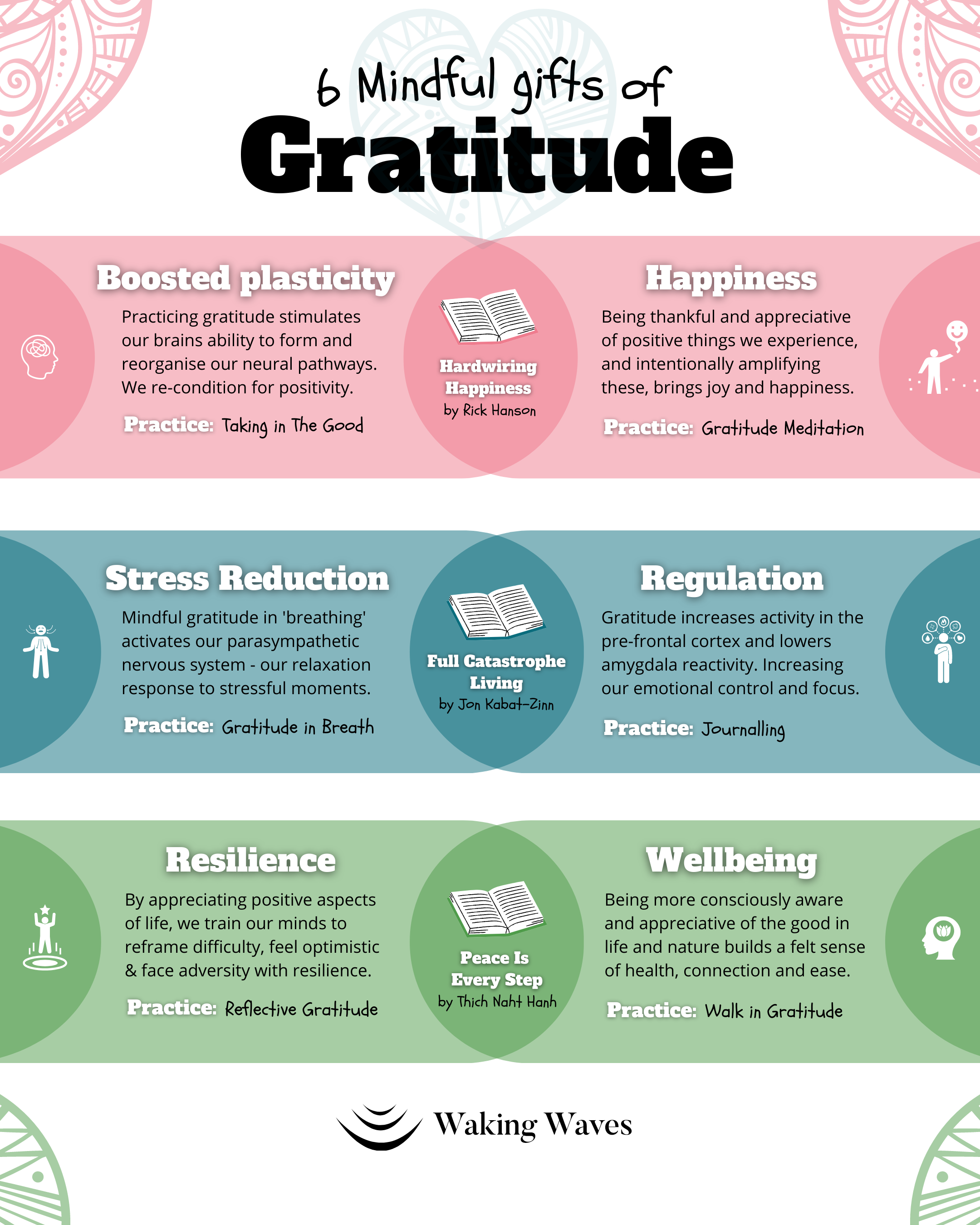
Gratitude shifts mental focus away from stress and toward appreciation.
Research shows gratitude practices can improve mood and reduce anxiety.
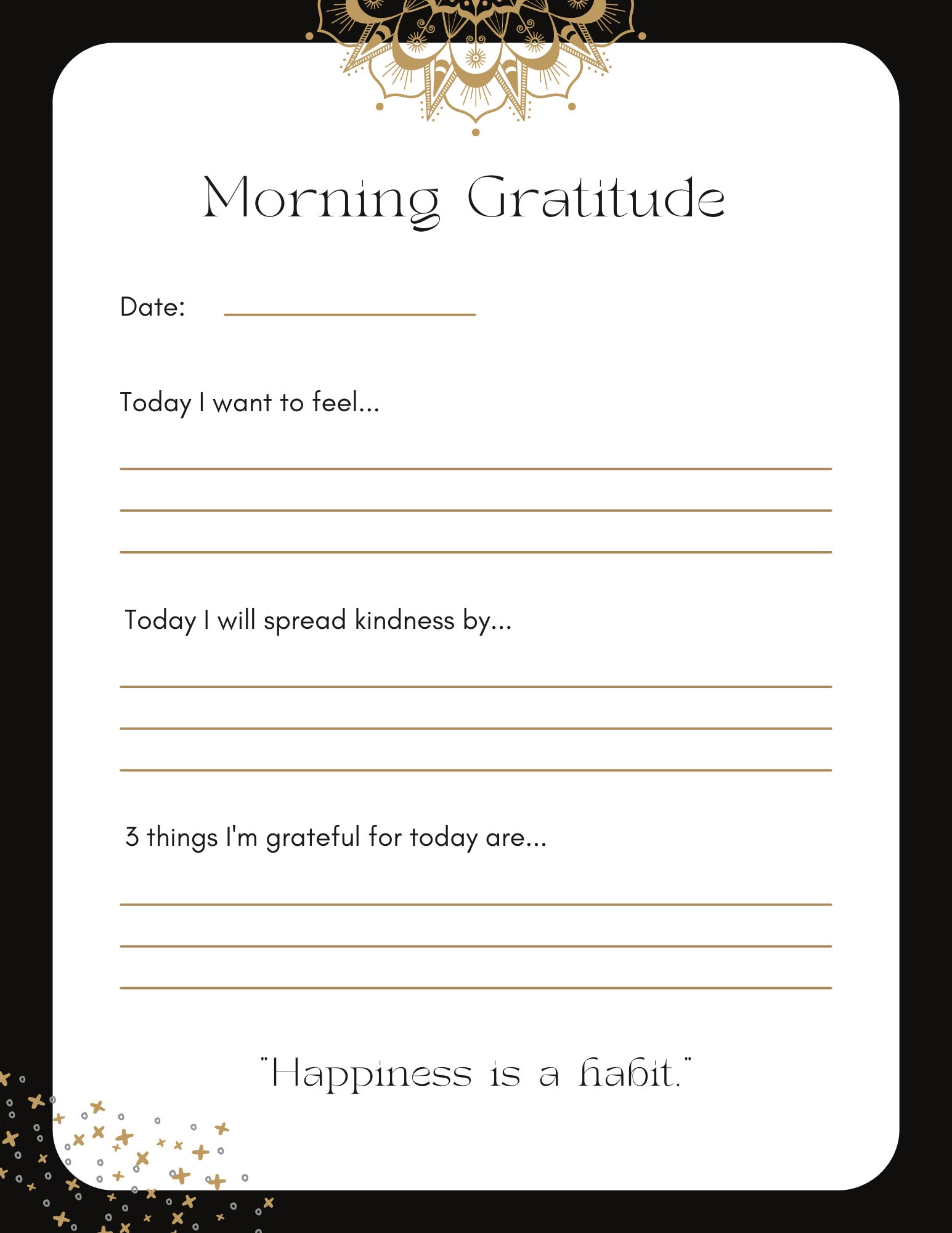
A simple daily practice is writing down three things you are grateful for each day.
Over time, this trains the brain to notice positive experiences instead of focusing only on problems.
Small mindset shifts can create significant emotional benefits.
Integrating These Practices into Daily Life
You do not need to adopt all ten strategies at once.
Start with two or three that feel manageable.
For example:
- Morning breathing exercises
- Daily walking
- Limiting evening screen time
Small habits build long-term emotional resilience.
Holistic living focuses on gradual improvement rather than sudden transformation.
Final Thoughts
Stress and anxiety are natural responses to life’s challenges, but they do not have to control your daily experience.
By supporting your nervous system through healthy lifestyle habits, you can improve emotional balance and resilience.
Practices like breathing exercises, meditation, exercise, and meaningful connection help the body return to a state of calm.
These natural strategies work because they address the root causes of stress rather than only masking symptoms.
Holistic health reminds us that caring for the mind and body together creates the strongest foundation for well-being.
References
- National Institute of Mental Health – Anxiety and Stress Research
- Centers for Disease Control and Prevention – Mental Health and Physical Activity
- Harvard Medical School – Meditation and Brain Health
- National Sleep Foundation – Sleep and Mental Health
YouTube Resources:
- Huberman Lab Podcast — Stress and Breathwork
- TED Talk: “How to Make Stress Your Friend” by Kelly McGonigal
- Therapy in a Nutshell — Anxiety Skills Explained