Introduction
For thousands of years, humans have practiced meditation and energy-based healing methods to improve health and emotional balance.
Ancient traditions described the body not only as physical matter but also as a system of energy and awareness. Practices like meditation, breathwork, yoga, and prayer were developed to calm the mind and restore balance to the body.
Today, modern science is beginning to understand why these practices work.
Researchers studying meditation and mind–body medicine have discovered measurable changes in the brain, nervous system, immune response, and hormone regulation.
This blog explores:
- The scientific effects of meditation
- How meditation changes the brain
- The role of the nervous system
- Research on energy healing
- Practical ways to integrate meditation into daily life
Understanding the science helps explain why meditation has become one of the most widely recommended practices for improving overall well-being.
What Is Meditation?


4
Meditation is a mental training practice that involves focusing attention and developing awareness.
Common forms include:
- Mindfulness meditation
- Breath-focused meditation
- Loving-kindness meditation
- Transcendental meditation
- Prayer-based meditation
Although techniques vary, the goal is similar: calming mental activity and increasing awareness.
Many meditation practices come from traditions connected to Buddhism and Hinduism, but meditation is now widely practiced in secular wellness and healthcare environments.
Hospitals, therapists, and wellness clinics increasingly recommend meditation for stress reduction and emotional regulation.
How Meditation Changes the Brain
One of the most fascinating discoveries in modern neuroscience is that meditation physically changes the brain.
Brain imaging studies show that regular meditation strengthens areas associated with:
- Emotional regulation
- Attention and focus
- Self-awareness
- Stress control
Research from Harvard Medical School found that meditation can increase gray matter density in regions of the brain associated with learning, memory, and emotional regulation.
At the same time, meditation reduces activity in the brain’s fear center, the amygdala.
This helps explain why meditation practitioners often experience reduced anxiety and improved emotional stability.
The brain is not fixed.
It is adaptable.
This ability to change is called neuroplasticity.
Meditation trains the brain to become calmer and more focused over time.
Meditation and the Nervous System


4
The nervous system has two primary modes:
- Fight-or-flight (sympathetic nervous system)
- Rest-and-digest (parasympathetic nervous system)
Modern lifestyles often keep people stuck in chronic fight-or-flight mode due to work pressure, financial stress, constant notifications, and media exposure.
Meditation helps activate the parasympathetic system, allowing the body to relax and recover.
This shift produces measurable physiological effects:
- Reduced heart rate
- Lower blood pressure
- Improved digestion
- Reduced inflammation
The National Institute of Mental Health explains that stress regulation techniques like mindfulness can significantly improve emotional health and stress resilience.
Meditation essentially retrains the nervous system to recognize safety instead of constant threat.
Meditation and Stress Hormones


4
Stress triggers the release of cortisol, the body’s primary stress hormone.
Short-term cortisol is helpful.
It prepares the body to respond to challenges.
However, chronic cortisol elevation is associated with:
- Anxiety
- Weight gain
- Poor sleep
- Increased inflammation
- Reduced immune function
Meditation has been shown to lower cortisol levels.
Multiple studies have demonstrated that mindfulness practices reduce perceived stress and improve emotional regulation.
Researchers studying mind–body medicine have found that consistent meditation can significantly reduce the body’s stress response over time.
This is one reason meditation is commonly recommended in programs for managing anxiety and burnout.
Meditation and the Immune System
Meditation does more than calm the mind.
It can also strengthen the immune system.
Research suggests that meditation improves immune function by reducing chronic inflammation.
Inflammation is a key contributor to many diseases, including heart disease, diabetes, and autoimmune disorders.
The National Center for Complementary and Integrative Health reports that meditation may help support immune function and reduce stress-related health problems.
When the body is less stressed, the immune system can operate more efficiently.
This connection between mental state and immune response is studied in a scientific field called psychoneuroimmunology.
This field explores how thoughts and emotions influence immune health.
What Is Energy Healing?



4
Energy healing refers to practices designed to influence the body’s energetic field to promote healing and balance.
Examples include:
- Reiki
- Therapeutic touch
- Qi Gong
- Chakra balancing
- Acupuncture
These practices are often based on traditional healing systems developed in cultures such as Taoism and Traditional Chinese Medicine.
While Western science does not fully explain energy healing mechanisms, some studies suggest these practices may influence relaxation responses and stress reduction.
Energy healing sessions often produce deep relaxation, which itself promotes healing by calming the nervous system.
The Placebo Effect and Mind–Body Healing
One of the most fascinating discoveries in medicine is the placebo effect.
A placebo is a treatment with no active medical ingredient that still produces improvement in patients who believe they are receiving real treatment.
The placebo effect demonstrates the powerful influence of expectation and belief on physical health.
Brain scans show that belief can trigger the release of neurotransmitters and endorphins that reduce pain and improve mood.
This does not mean healing is imaginary.
It means the mind has powerful influence over the body.
Meditation and energy healing practices may harness similar mind–body mechanisms.
Meditation and Emotional Regulation


4
Meditation improves emotional awareness.
Instead of reacting impulsively to emotions, meditation teaches observation.
Practitioners learn to notice thoughts and feelings without immediately reacting.
This creates psychological space between stimulus and response.
Emotional regulation improves relationships, decision-making, and mental health.
Regular meditation has been shown to reduce symptoms of:
- Anxiety disorders
- Depression
- Emotional reactivity
Mental clarity increases when the mind becomes less reactive.
Practical Meditation Techniques
You do not need complicated rituals to meditate.
Simple techniques are effective.
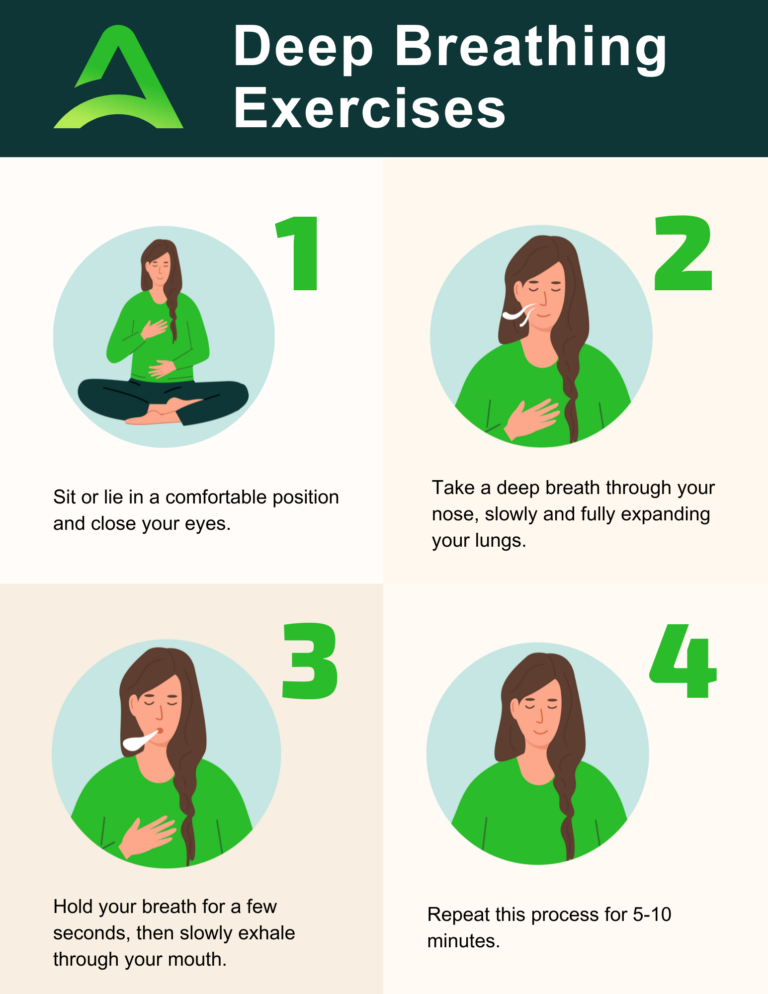
Breath Awareness Meditation
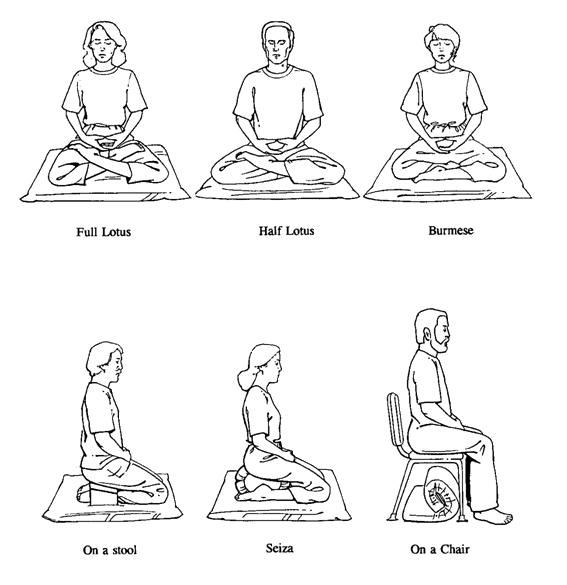
- Sit comfortably
- Focus on your breathing
- Inhale slowly
- Exhale slowly
- Return attention to breath when distracted
Start with five minutes daily.
Body Scan Meditation
Focus attention slowly on each part of the body from head to toe.
Notice tension and release it.
Gratitude Meditation
Reflect on three things you appreciate.
Positive emotional focus strengthens mental resilience.
Consistency matters more than duration.
Common Misconceptions About Meditation
Myth: Meditation requires clearing the mind.
Truth: Meditation is about observing thoughts, not eliminating them.
Myth: Meditation is religious.
Truth: Meditation can be spiritual or purely secular.
Myth: Meditation requires long sessions.
Truth: Even five minutes daily provides benefits.
Meditation is a skill developed gradually.
Integrating Meditation into Holistic Living
Meditation fits naturally into a holistic lifestyle.
It complements other wellness practices such as:
- Healthy nutrition
- Physical movement
- Quality sleep
- Emotional reflection
- Spiritual growth
Holistic living recognizes that health emerges from balance between mind, body, and environment.
Meditation strengthens this balance.
Self-Reflection Questions
Ask yourself:
- How often do I experience mental quiet?
- Do I react to stress immediately?
- When was the last time I sat in silence?
Small moments of stillness can dramatically improve mental clarity.
Final Thoughts
Meditation and energy healing practices may appear ancient, but modern science increasingly supports their benefits.
Research shows that meditation can:
- Change brain structure
- Reduce stress hormones
- Improve immune response
- Enhance emotional regulation
These findings highlight the deep connection between mind and body.
Holistic living encourages us to care for both.
Meditation is one of the simplest and most powerful tools for doing exactly that.
References
- Harvard Medical School – Meditation Research
- National Institute of Mental Health – Stress and Mental Health
- National Center for Complementary and Integrative Health – Mind–Body Practices
- Davidson, R. & Goleman, D. (2017). Altered Traits: Science Reveals How Meditation Changes Your Mind, Brain, and Body.
- Kabat-Zinn, J. (2013). Full Catastrophe Living.
YouTube Resources:
- “Meditation Explained” – Kurzgesagt
- “The Science of Mindfulness” – Huberman Lab Podcast
- “How Meditation Changes the Brain” – TED Talk by Sara Lazar